

Skip to main content Skip to search Skip to category navigation Skip to footer

Women Wetsuits

Looking for your first wetsuit or replacing your current one? At Surfpirates you'll find women's wetsuits from ION, Rip Curl, Mystic, Prolimit, XCEL and Soöruz, from lightweight shorties to warm hooded suits. Choose a thickness for the

Read more

Everything You Need to Know About Wetsuits!

Help Guides
Women\'s wetsuits: find your suit for your next...
Skip to sorting and filters

Discover our range

160 Items

160 Items

Women's wetsuits: find your suit for your next session

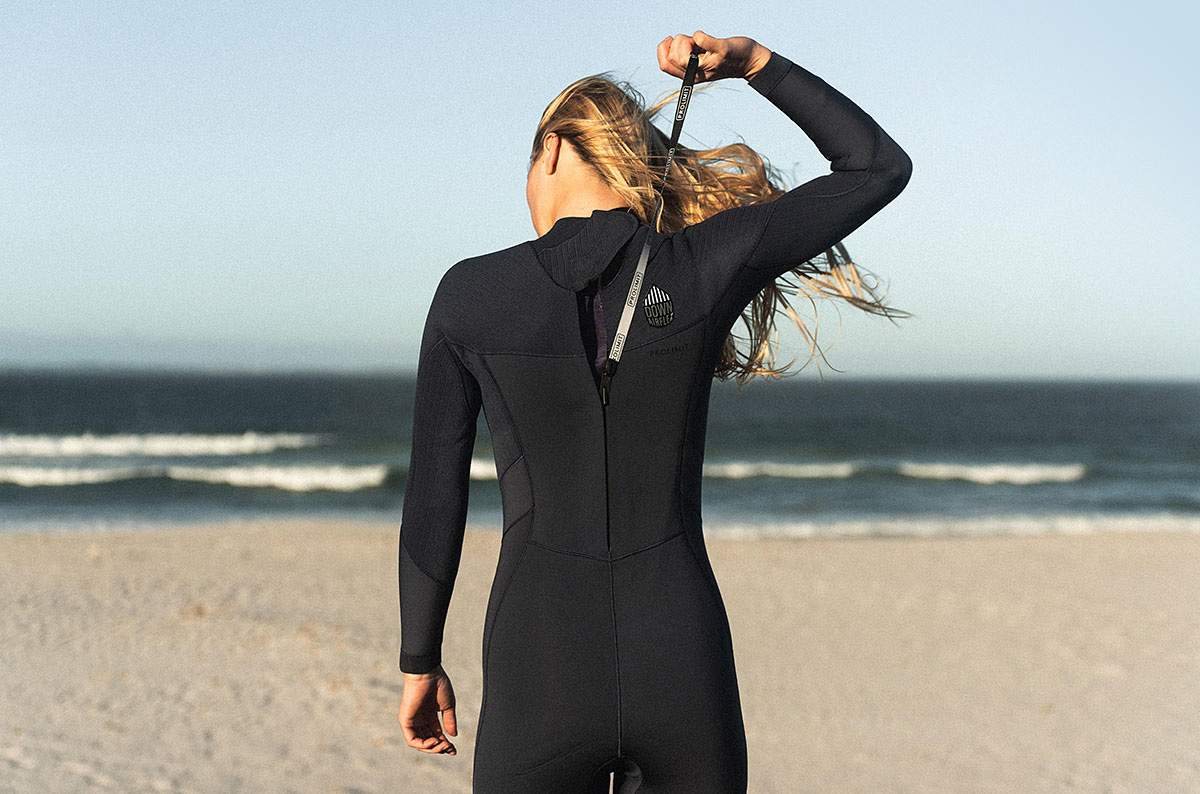
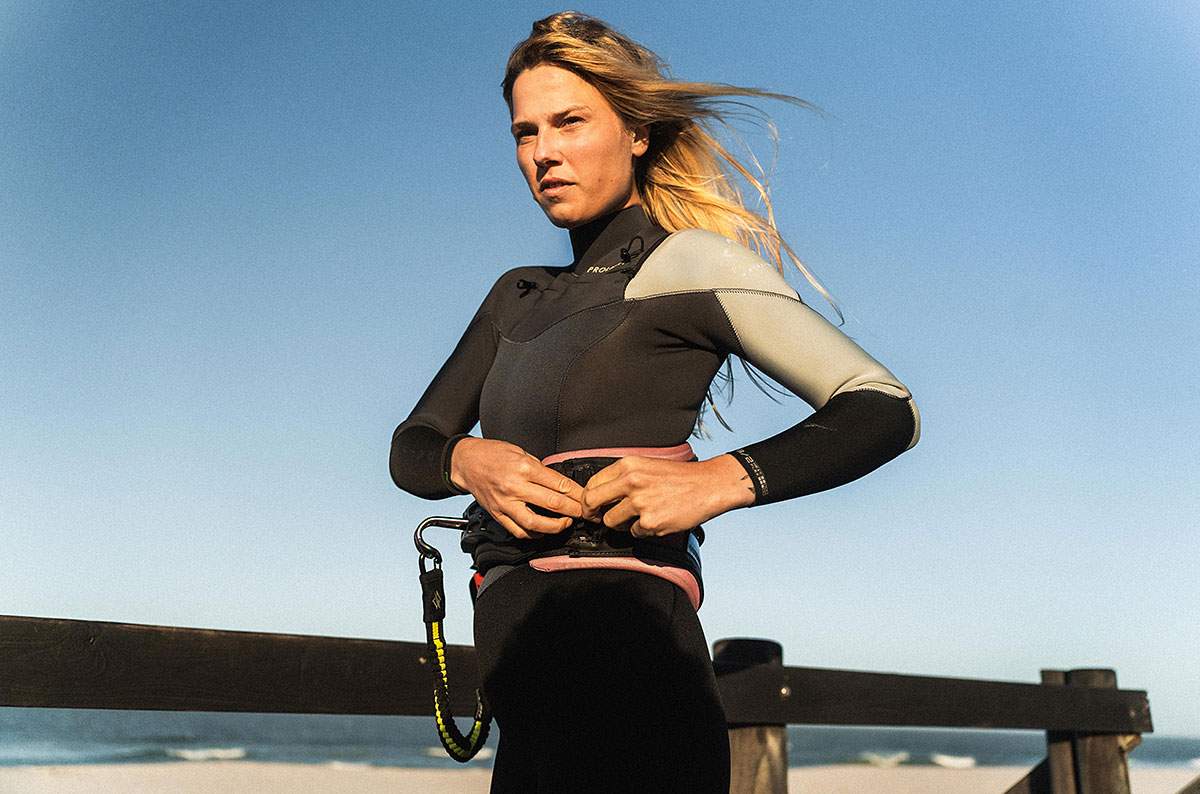
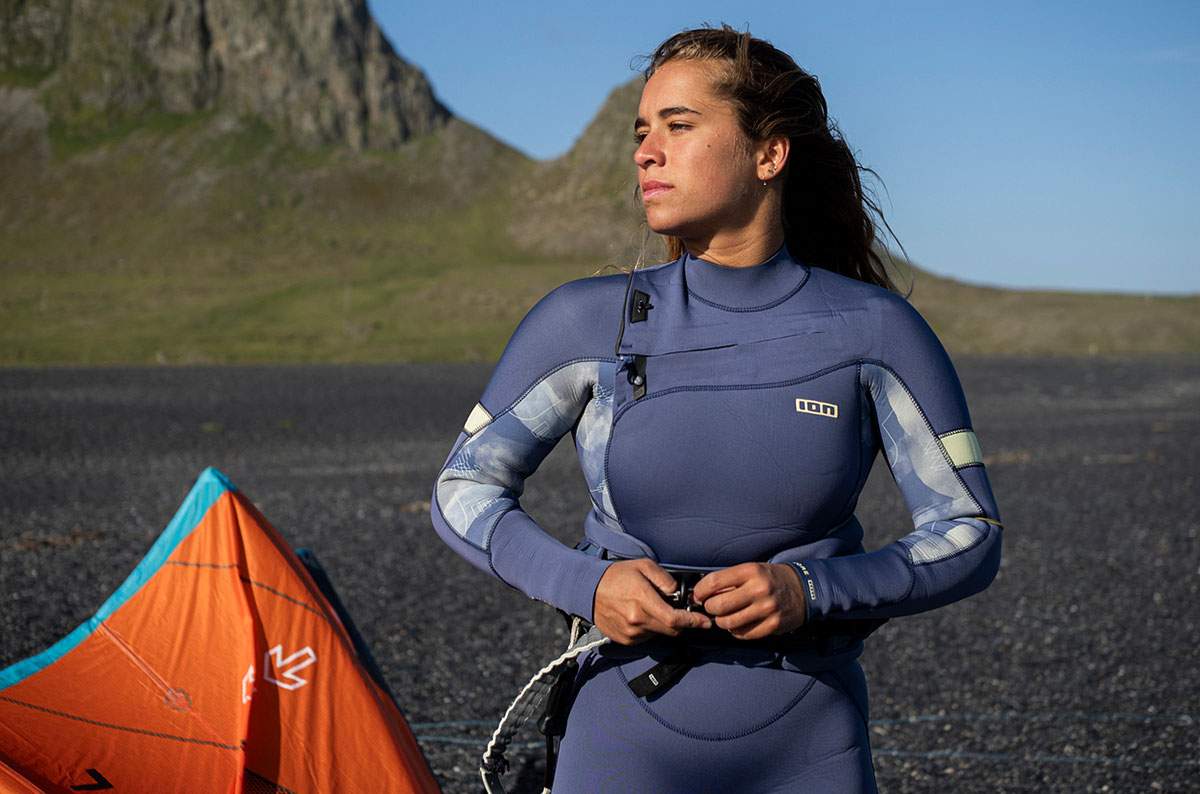
Looking for your first wetsuit or replacing your current one? At Surfpirates you'll find women's wetsuits from ION, Rip Curl, Mystic, Prolimit, XCEL and Soöruz, from lightweight shorties to warm hooded suits. Choose a thickness for the conditions at your spot and a cut that lets you move comfortably when surfing, kiting or wingfoiling. Previous-season models and sale offers are part of the selection too.
Women's wetsuit

Shorty, full suit or hooded wetsuit?

A shorty leaves your lower legs and usually your forearms uncovered. It suits warm water and is often easy to put on thanks to the smaller amount of material. Springsuits also come with long sleeves and short legs. So check the actual sleeve and leg length as well as the name.

For cooler sessions, a full-length wetsuit, also called a full suit or steamer, is the more versatile choice. It covers your arms and legs completely. A hooded wetsuit adds an integrated hood and is an option for cold water. A summer holiday calls for a different suit from winter sessions on the coast.

What wetsuit thickness do you need?

The marking 4/3 mm means the suit uses panels of different thicknesses, typically 4 mm around the torso and 3 mm in areas that need to move, such as the arms. This combines warmth around your body with flexibility. The exact panel layout varies by model.

As a starting point, 2 mm shorties are designed for warm conditions, while full-length 3/2 mm suits suit mild water temperatures. A 4/3 mm suit offers more insulation for cooler sessions. For cold water, consider 5/4 mm and thicker models, often with a hood. Wind, long pauses in the water and how easily you feel the cold also affect how much warmth you need.

The lining and seams make a difference too. Two suits of the same thickness can therefore feel different in terms of warmth. Suitable boots and gloves also belong in your setup for cold days.

Women's wetsuit
Women's wetsuit

Getting the right fit in a women's wetsuit

Measure your height, bust, waist and hips and compare them with the brand's size chart. Your usual clothing size is just a starting point. Comparing different cuts is particularly useful around the bust, hips and torso.

When trying on a suit, work the material up over your legs and hips a little at a time. The crotch should sit properly before you put your arms in. If the material is caught lower down, the suit will pull unnecessarily on your shoulders. Then raise your arms, squat and make a few paddling movements. You should be able to breathe freely, without pressure around your neck or strong pulling at the crotch.

Large gaps at your lower back or under your arms suggest the cut doesn't suit you or the suit is too loose. If the measurements around your body are right but the sleeves and legs are too long or short, look for short or tall sizes. Abbreviations such as MS and MT often mean Medium Short and Medium Tall. Availability varies by brand and model.

Front zip, back zip or zip-free?

A back zip runs down the back and usually gives you a larger opening to step into. This can make it easier to pull the suit over your hips and shoulders. A front zip, or chest zip, sits across the chest. You enter through a smaller opening, while your back stays free of a long zip.

Zip-free models use a stretchy entry instead of a zip. Try taking the suit off too. If you can barely get it over your shoulders on your own, a different entry is often more practical. How much water gets in depends on the seals and fit as well as the fastening.

Choosing a women's wetsuit at Surfpirates

You can compare different brands and cuts with us. A higher price may mean more flexible material, more lining or additional seam sealing, for example. Check these differences on the particular model. A well-fitting previous-season suit can be just as suitable if you're looking for a lower-priced option.

Between two sizes, or unsure whether you need a summer suit or a warmer all-rounder? Tell us your spot, the season and your sport. If you already own a wetsuit, it also helps to know where it fits well or feels uncomfortable. That lets us suggest suitable alternatives.

Questions about women's wetsuits

What should I wear under a women's wetsuit?

A bikini or swimsuit that sits flat is practical when changing at your spot. Bulky knots, underwires and hard fastenings can dig in under a close-fitting wetsuit. Try the suit on with the swimwear you plan to wear underneath. You don't need ordinary clothing as an extra layer.

Should I buy a wetsuit one size larger?

Not as a general rule. A loose suit allows more water to circulate and can form pockets at your back or stomach. If your measurements fall between two sizes, try both and move around in them. If one fits your hips but presses hard on your bust or shoulders, a different cut may work better than simply sizing up.

Does a wetsuit get looser in the water?

Wet neoprene often feels more supple, and the material can give a little with use. Even so, don't buy a suit that hurts or restricts your breathing when you try it on. There is no guarantee that every wetsuit will stretch by exactly half a size after a few sessions.

Can I use the same wetsuit for surfing, kiting and wingfoiling?

Yes, a well-fitting watersports wetsuit can be used for all three. For surfing, you should be able to circle your arms comfortably when paddling. For kiting and wingfoiling, the material shouldn't bunch up uncomfortably under your harness. Choose the warmth for your spot and the time you'll spend in the water.

Why does water enter my wetsuit when I fall?

A brief flush through the neck can happen during a fall. If fresh water keeps flowing in, check for a loose neck seal, an entry that isn't properly closed or damaged seams. Also make sure you've pulled the material up evenly before closing the suit and that there are no folds in the seal.

How do I put on my wetsuit without damaging it?

Start with dry skin and work upwards from your ankles. Grip the material with your fingertips and ease it over your calves, knees and hips in small steps. Don't pull with your fingernails or lift the whole suit by a single cuff or opening. Only put the torso and arms on once the crotch is sitting properly.

Loading ...
Surfpirates Pirates Week from November 20–30, 2026: Extra discounts on many sale items and 15% off RRP, automatically applied at checkout – no discount code needed. Excludes Duotone, Core and Sabfoil. Shop the deals now.