
Skip to main content Skip to search Skip to category navigation Skip to footer

Waveboards

A kitesurf waveboard brings you closer to the feel of surfing: more drive on the wave, responsive turns, controlled bottom turns and a lively board under your feet. Unlike a twintip, a directional has a defined nose and tail. You use its

Read more
Buy a waveboard – kitesurf boards for waves,...
Skip to sorting and filters

Discover our range

40 Items

Buy a waveboard – kitesurf boards for waves, strapless riding and freeride

A kitesurf waveboard brings you closer to the feel of surfing: more drive on the wave, responsive turns, controlled bottom turns and a lively board under your feet. Unlike a twintip, a directional has a defined nose and tail. You use its rails, fins and volume more actively, whether you're making the most of small North Sea waves or enjoying clean swell on holiday.

At Surfpirates, you'll find waveboards for different riding styles, spots and abilities, from forgiving all-round shapes to performance boards for fast, steep waves. Length and brand aren't the only things that matter: consider the shape, rocker, tail, volume distribution and fin setup, as well as whether you want to ride strapless or with foot straps.
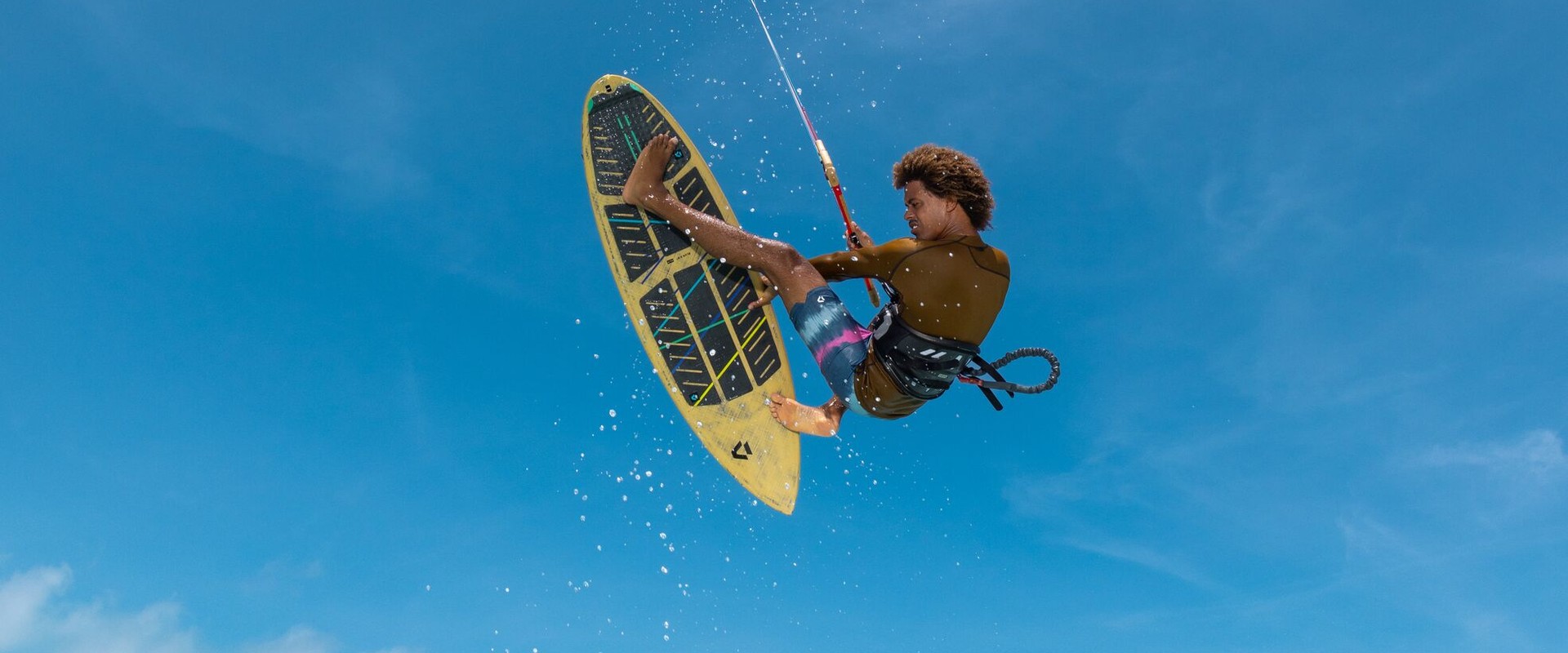
Kitesurfer performing a strapless jump with a waveboard

Buying a waveboard – what matters?

The right waveboard depends largely on where and how you ride. Small, weak onshore waves call for early planing, volume and a forgiving shape. Fast, hollow or powerful waves favour control, a narrower outline and more rocker. For strapless freestyle, pop, low weight and a durable construction matter, while dedicated wave riders tend to prioritise rail grip, drive and controlled turns.

At Surfpirates, you'll find waveboards from different brands and in a range of shapes. Choose according to your spot, body weight and riding style. A board for small wind waves needs different characteristics from one built for fast, steep waves or strapless freestyle.

If you'd rather ride in both directions and focus on freeride or jumping, take a look at our twintips too. You'll also find discounted models in our kiteboard sale, subject to availability.

Shape, rocker and volume – the key differences

Shape means the board's overall form. Look at the nose at the front, the tail at the back and the outline. Rocker describes the board's lengthwise curve. A wider surface and flatter rocker often help with early planing. More rocker and a narrower shape can be useful in steeper waves. It's how these features work together that matters: length or volume alone tells you little about the ride.

Fish shape: wide and easy to get planing

A classic fish has a wide, relatively short outline and often a notched tail with two points, known as a swallow tail. Its generous planing area and usually flatter rocker help maintain speed in small, less powerful waves. The wide tail provides surface area, while the two tail points can add grip through turns. This makes a fish a good fit for playful sessions in smaller waves and lighter wind.

Performance shape: control on the wave

A classic performance waveboard often has a narrower, pointed nose and a more pulled-in tail, such as a round tail or rounded pin tail. It also often has more rocker. This shape lets you engage the rail with control in steeper waves and carry it through fast turns. Depending on the model, it needs more power from the wave or kite to maintain speed than a wide fish.

Freestyle shape: compact with a short nose

Many strapless freestyle boards have a short, wide or squared-off nose rather than a long point. They often combine this with a fairly parallel outline and a wide tail. The compact length reduces weight at the ends, making rotations easier. The broad standing area supports take-offs and landings. Not every short-nosed board is a dedicated freestyle board: some compact shapes combine these features with good small-wave performance.

Which waveboard suits your spot?

For the North Sea, Baltic Sea, choppy water or small onshore waves, a compact board with a little more width is often a comfortable choice. It planes earlier, carries speed through weaker sections and stays fun to ride when the waves aren't perfect. If you regularly ride clean swell, side-shore to side-offshore conditions or larger waves, you'll benefit from more rail length, control and a shape that holds a clean turn at speed.

  • Small waves and light wind: more volume, a wider tail and flatter rocker.
  • Steep or fast waves: a narrower tail, more rocker and controlled rail engagement.
  • Chop and onshore conditions: a forgiving shape with good low-end performance.
  • Strapless freestyle: durable construction, good pop and compact length.
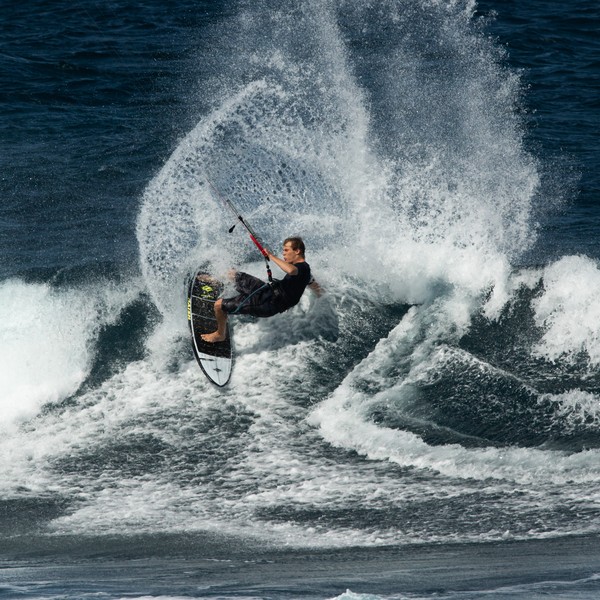
Kitesurfer turning on a wave

Riding strapless or with foot straps?

You can ride a waveboard with or without foot straps, provided the model is designed to take them. Strapless riding lets you move your feet more freely and adjust your stance to the wave. Straps help hold your feet in place, for example in chop or when jumping. If you'd like to try both, check the board's mounting options before buying.

Tip: If you're new to directionals, choose a forgiving waveboard with enough volume rather than an overly demanding pro shape. Learning gybes, foot changes and wave positioning is easier when the board planes steadily and gives you room for mistakes.

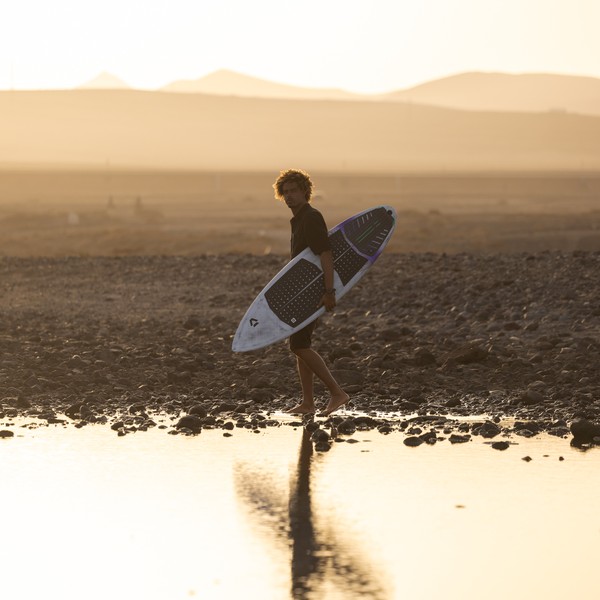
Kitesurfer carrying a waveboard without foot straps on the beach

Choosing the right size, fins and accessories

The right size depends on your body weight, wind range, ability and board shape. Shorter boards feel agile and are appealing for strapless tricks, but need more technique and kite power. Longer boards or those with more volume get planing earlier, carry through lulls and make foot changes easier. Fins also affect grip, release and turning: thruster setups offer plenty of control, quads provide speed and drive, while twin-fin or specialist compact setups feel particularly loose.

Check whether fins and pads are included. If you want to ride with straps, the board needs suitable mounting points. A correctly sized boardbag protects your gear in transit. Check the width as well as the length, and look for enough padding around the nose and rails.

Pads or wax: finding your footing on a waveboard

Pads give your feet grip on the waveboard. The tail pad sits at the back and helps you position your rear foot for turns and take-offs. Many tail pads have a raised lip at the back, called a kick, which you can brace your foot against. A front pad adds grip and some cushioning under your front foot. Make sure the pads suit the board's shape and cover your usual standing positions.

If you prefer to stand directly on the deck at the front, you can use surf wax instead of a front pad. It also provides grip but needs regular refreshing. Choose wax suited to the water temperature. Before buying, check whether the front and tail pads are included or need to be ordered separately.

FAQ – common questions about kitesurf waveboards

What's the difference between a waveboard and a twintip?

A twintip rides equally well in both directions and is ideal for freeride, jumping and straightforward direction changes. A waveboard is a directional: like a surfboard, you ride it using its nose, tail, rails and fins. This gives you a more surf-like feel, greater control on the wave and dynamic turns.

What size waveboard do I need?

As a rough guide, many kiters ride waveboards between around 4'10 and 6'0. Lighter riders, stronger wind and strapless tricks tend to favour shorter boards. Heavier riders, light wind and small waves benefit from more length, width and volume. So don't just look at length: a short, wide board may suit you better than a longer, narrower model.

Is a waveboard suitable for beginners?

Yes, if you can already ride upwind confidently, start with control and handle your kite well. For your first sessions, a forgiving all-round shape with a little more volume makes sense. A very narrow performance board may excel in good waves, but can make gybes and foot changes unnecessarily difficult at first.

What does strapless mean in kitesurfing?

Strapless means riding without foot straps. You can position your feet freely and move them around as you ride. Practise waterstarts and foot changes in manageable conditions first. If you want to add straps later, the board needs suitable mounting options.

Which fin setup works well on a waveboard?

A thruster setup with three fins offers plenty of control and grip through turns. Quads are fast, provide drive and work well in powerful waves. Shorter, looser setups turn more easily and suit small waves or freestyle-wave riding. The choice depends on how much grip or release you want.

Do I need a special kite for a waveboard?

A wave kite is ideal because it drifts well, turns quickly and stays stable with less line tension as you ride towards the wave. All-round kites work too, especially for freeride-wave riding and your first sessions. If you ride waves regularly, the benefits of a suitable wave kite become more noticeable.

Loading ...
Surfpirates Pirates Week from November 20–30, 2026: Extra discounts on many sale items and 15% off RRP, automatically applied at checkout – no discount code needed. Excludes Duotone, Core and Sabfoil. Shop the deals now.