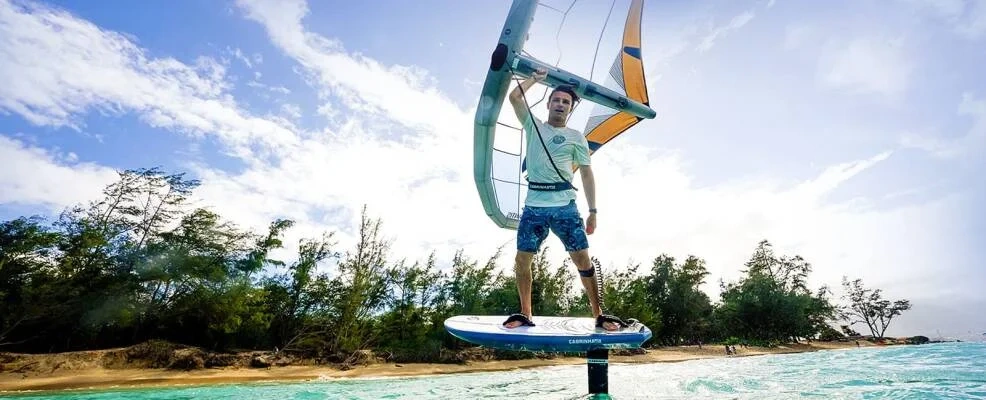

ALUULA is ultra-light, six times as strong as Dacron and much stiffer than conventional kite material, which makes the flying characteristics of a kite more efficient and powerful.
Hello, it's great to have you here. We look forward to telling you about the new material in this blog and if you are interested in a particular kite or wing, please get in touch with us.
____________________________________________________________________________________

How it began...
ALUULA Composites, based in Canada, specialises in the production of a wide range of composite materials for various markets such as aerospace, sailing and now wind sports.
The development process for ALUULA Gold began in 2017 by a team of chemists who love and practise outdoor sports themselves. They had set themselves the task of developing a material that did not yet exist in this form and that could withstand the harsh conditions of wind sports caused by water, salt, sand and UV radiation - primarily kitesurfing - while being even lighter and stronger.
In 2019, ALUULA Composites made a previously impossible product performance possible and turned expectations upside down. The first generation of kites with ALUULA Gold™ Airframe and Leading Edge was launched in early 2020 with Ocean Rodeo and its A-Line.
From freeride to big air kites, there is now a huge selection of models from a wide range of brands.
To the Aluula Kites
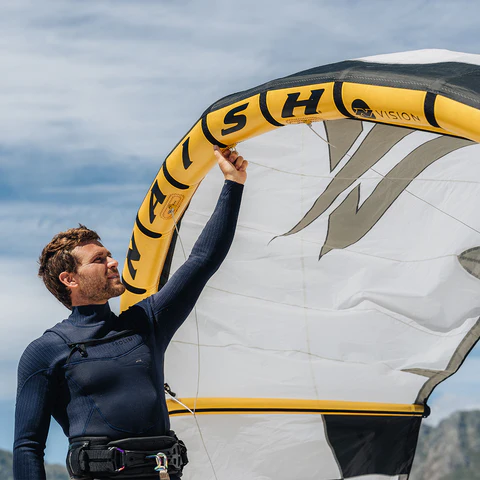
The advantages of ALUULA
Weight: ALUULA is characterised by a low weight of only 82 grams per square metre, in contrast to 155 to 165 grams per square metre for Dacron. This significantly reduces the weight of the kite, improves flight performance and makes handling easier, especially in light winds.
Material strength: ALUULA has increased rigidity and strength, which has a particularly positive effect in light and strong winds and it retains its shape even in gusts.
Wind range: ALUULA kites score with a large wind range, which is made possible by their low weight. As a result, they launch earlier and fly longer than other models.
Manoeuvrability: The increased rigidity and fast response to steering commands result in a stable and responsive performance of the ALUULA kite with every steering impulse. They are also characterised by their outstanding loop properties.
Innovative seams: The new seam technology was specially developed for ALUULA. The load on the stitch holes and threads is transferred to the anti-compression bar through the seam. The seam is strategically placed to give the leading edge additional stability and stabilise the kite's arc in gusty and strong wind conditions.
Price and availability
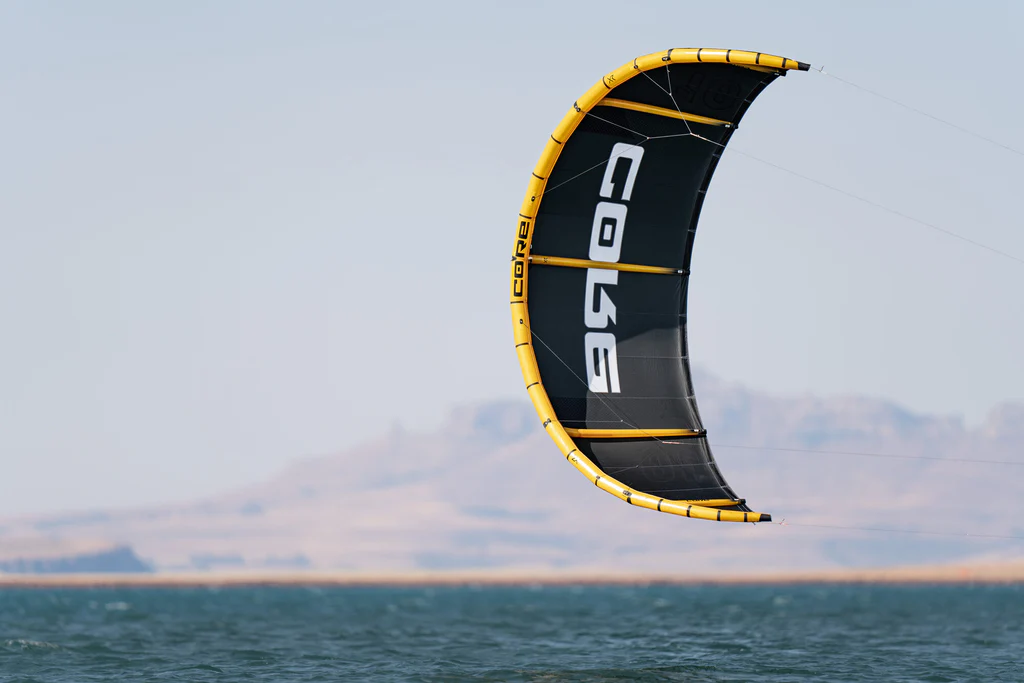
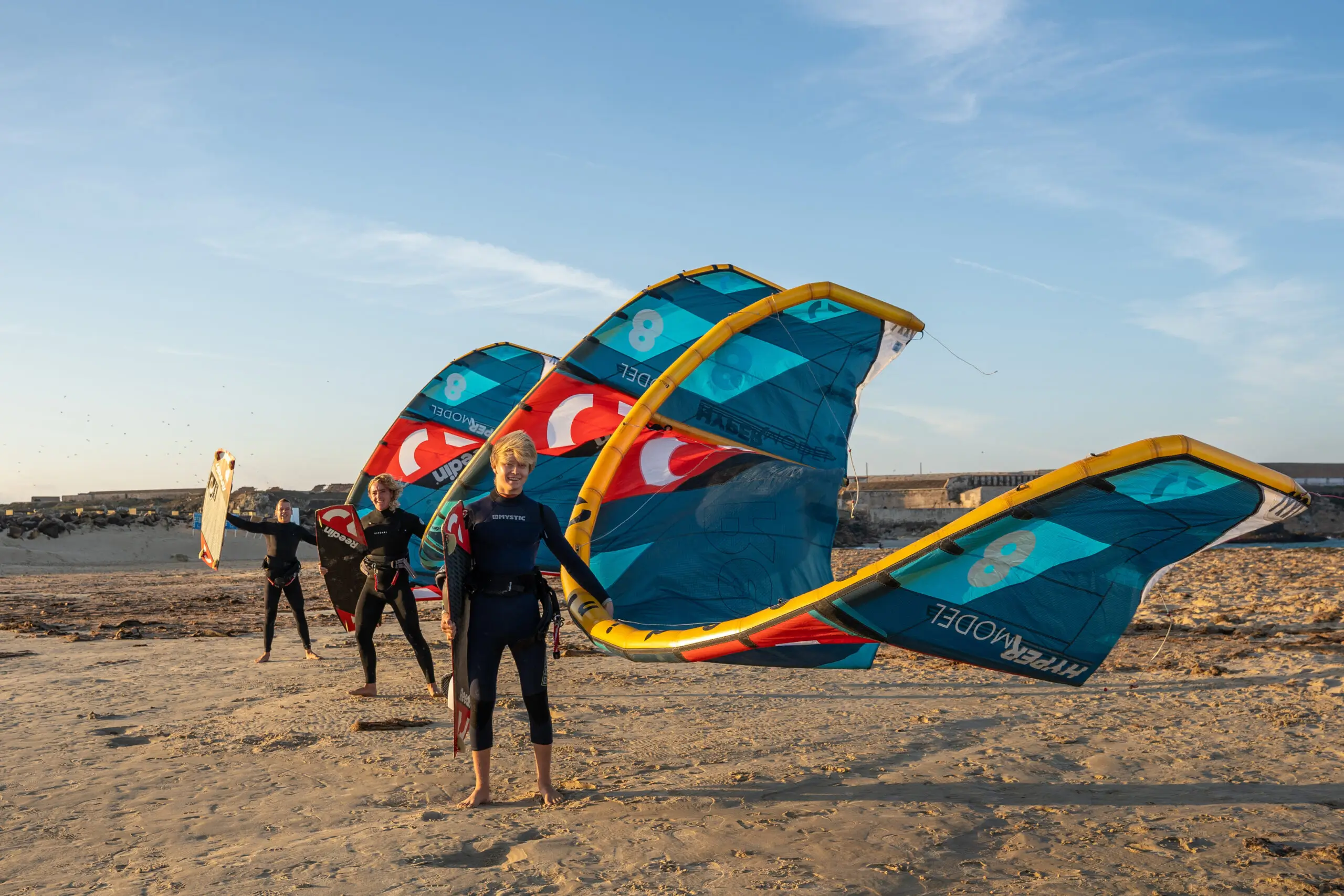
An ALUULA kite costs on average between €2,300 and €3,200, although the price can vary depending on the manufacturer and size. In addition to the first ALUULA kite from Ocean Rodeo, the Juice D/Lab from Duotone was launched on the market. The Juice D/Lab focusses on light wind performance, which has been greatly improved by reducing the overall weight. There are now a large number of high-performance kites that are equipped with ALUULA struts and/or leading edges and focus on big air, freeride and wave kites. These include, for example, the CORE XR Pro kite, the Ozone Vortex and the Naish Pivot NVISION.
We offer all ALUULA kites available on the market in the Surfpirates online shop.
To the Aluula Kites
To the Aluula Kites
An experience report: ALUULA kite vs. Dacron kite
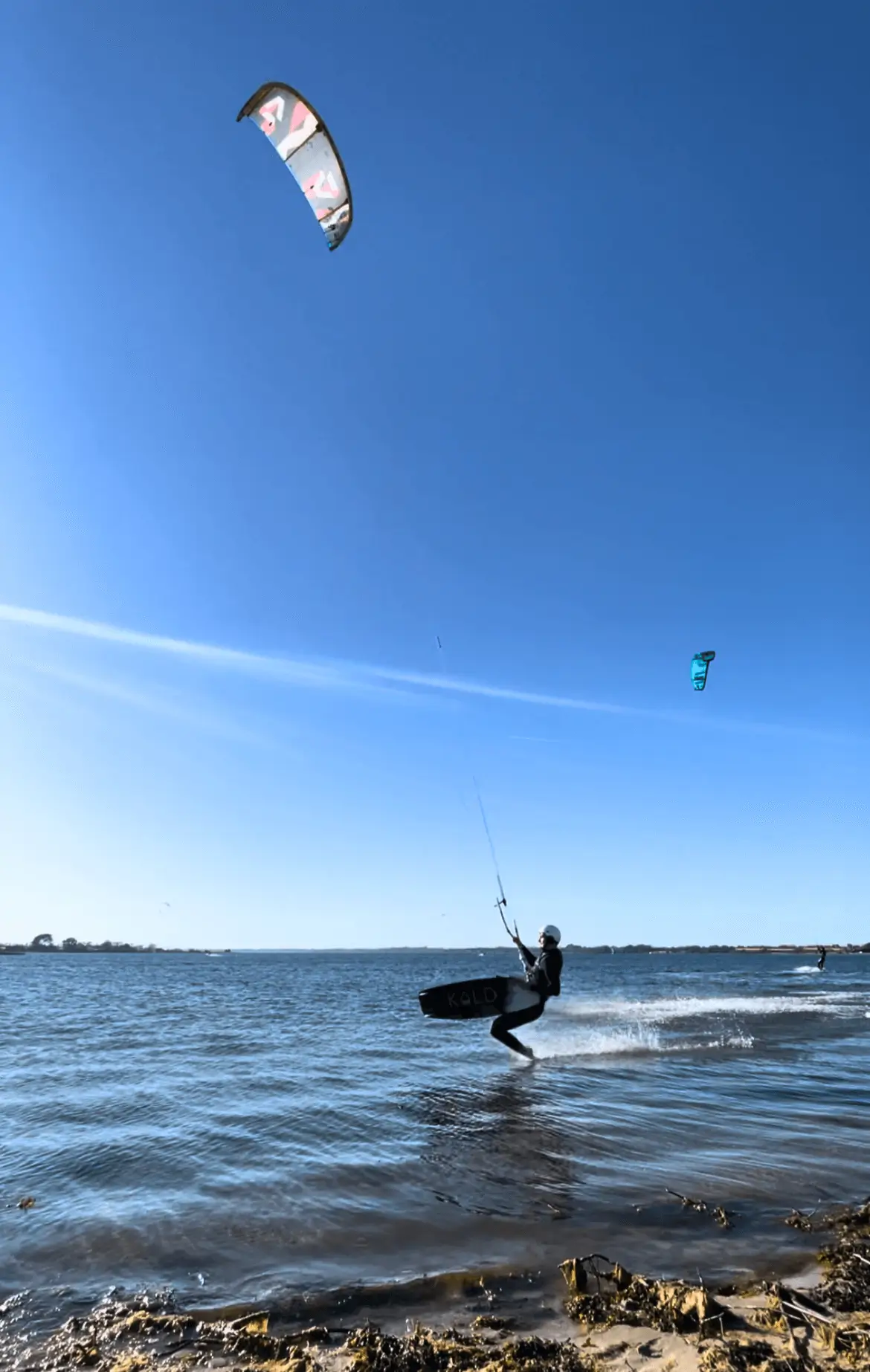
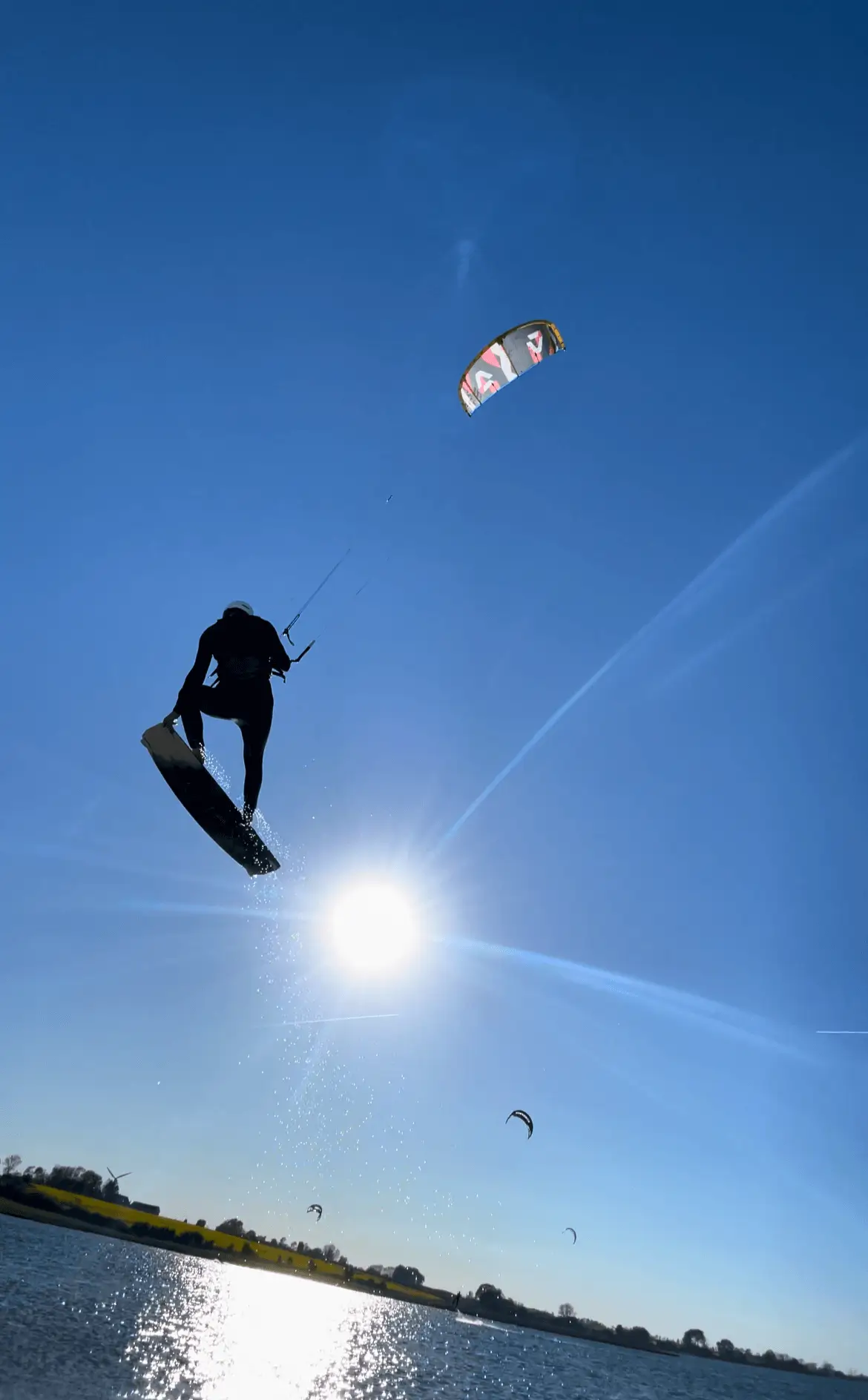
In the world of kitesurfing, choosing the right kite is paramount. Our shoprider Fridtjof has flown the Evo D/Lab with ALUULA and the Evo SLS made of Dacron several times.
Both offer solid performance in a stable wind range of around 18 to 20 knots. But how do they really differ? And what performance differences emerge when the wind gets weaker or stronger? Let's answer these questions together.
Performance
In the stable wind range of around 18 to 20 knots, both kites deliver similar to equivalent performance. Both have the same power and traction in optimal conditions. The Evo D/Lab has a slightly different shape than the Evo SLS, which provides more bar power and a longer hangtime. The agility and handling of both kites are remarkable, making kitesurfing a fun experience.
Differences in lighter and stronger wind conditions
The differences between the two kites become more apparent in less or more wind. The Evo D/Lab, thanks to its stiffer and lighter ALUULA material, retains its agility at lower wind speeds and shows an impressive low-end performance. The Evo SLS, on the other hand, becomes a little more sluggish in these conditions and loses some of its performance.
In stronger wind conditions, the Evo D/Lab holds its shape and is easier to control in gusty/strong winds.
Conclusion on the D/Lab
Despite the slight differences in performance in extreme wind conditions, both kites are great for any kitesurfer. They offer good speed and hangtime, are easy to control and really fun on the water. Those looking for greater wind range and performance have found a reliable and sporty kite in the D/Lab.
Who is an Aluula kite suitable for?
Depending on your personal preferences and the specific conditions in which you surf, an ALUULA kite may be the ideal choice if you are looking for a powerful and extremely light kite.
To the Aluula Kites
We hope you have been able to take something away from this blog and understand the topic of ALUULA a little better.
If you have any questions about the individual models or would like advice on which equipment is best suited to you, we look forward to hearing from you or calling the Surfpirates shop.